>
Waste
Waste containment and environmental protection solutions
Waste facilities must contain growing volumes and environmental risk
Waste generation is increasing globally, placing significant pressure on landfills, waste impoundments, and treatment facilities. These systems must manage large volumes of municipal, industrial, and hazardous waste under strict environmental and regulatory requirements.
The primary requirement for any modern waste facility is clear: it must not pollute or degrade its environment. Achieving this is technically complex.
Engineers must address multiple, interrelated challenges:
Preventing leachate migration into soil and groundwater
Managing landfill gas and fluid pressures within containment systems
Maintaining stability as waste settles and shifts over time
Designing systems that perform reliably over decades
Failure to control these conditions can result in environmental contamination, regulatory non-compliance, and long-term liability.
Geosynthetic systems for waste containment
Geosynthetics provide engineered solutions that enable safe, controlled, and compliant waste management. These systems form the foundation of modern landfill design by addressing containment, drainage, stability, and closure requirements.
Impermeable containment and barrier systems
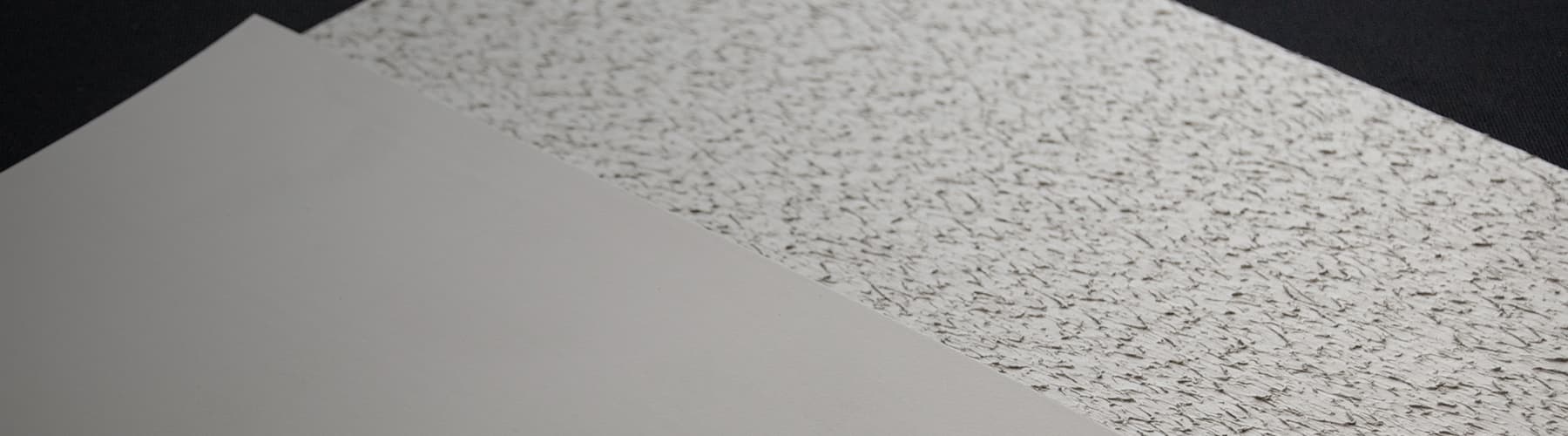
Geomembrane liners form the primary barrier in waste containment systems, preventing the migration of leachate and contaminants into surrounding soils and groundwater. These liners are engineered for long-term durability, maintaining low permeability and resistance to chemical exposure over extended service lives. Textured surfaces can also improve frictional performance on slopes, supporting stability of overlying materials. To enhance performance, geomembranes are often combined with geosynthetic clay liners to create composite barrier systems. These multi-layer systems provide redundant protection, reducing the risk of leakage and improving hydraulic performance.
Geosynthetic clay liners in waste containment
Geosynthetic clay liners provide a consistent, low-permeability hydraulic barrier in landfill and waste containment systems. Installed beneath geomembranes or as part of composite liner systems, they enhance containment performance by providing redundancy and improved sealing capability. Their engineered structure delivers reliable hydraulic performance while simplifying construction compared to compacted clay, particularly in conditions where material quality and installation control are difficult to maintain.
Leachate management and leak detection
Effective leachate management is critical to maintaining containment performance. Without proper drainage, fluid buildup can increase pressure on liner systems and compromise their integrity. Geosynthetic drainage layers collect and convey leachate away from the waste mass, maintaining flow and reducing hydraulic loading on the liner. These systems are designed to perform under continuous loading and prevent clogging from fine particles. Integrated leak detection systems can be incorporated within the liner system, enabling early identification of defects and reducing environmental risk.
Stability and capacity improvement
Waste facilities must remain stable as waste volumes increase and conditions change over time. Weak subgrades, settlement, and slope instability can all impact performance. Geosynthetic reinforcement solutions improve stability by strengthening foundation soils and supporting steep slopes. This enables facilities to increase capacity, build on challenging ground, and maintain structural integrity throughout operation. Reinforcement systems also reduce strain on liner systems, contributing to long-term containment performance.
Sludge and liquid waste management
Sludge and liquid waste streams introduce additional complexity in waste containment systems. These materials are often highly saturated, low-strength, and difficult to handle, requiring controlled dewatering and containment to prevent uncontrolled migration. Without proper management, sludge can generate excess leachate, increase hydraulic loading on containment systems, and compromise stability. GEOTUBE® dewatering technology allows efficient dewatering, separation, and containment of sludge, reducing volume, improving handling, and supporting safer storage or transport while maintaining environmental protection.
Closure and long-term environmental protection
After a waste facility reaches capacity, closure systems must prevent water infiltration, control gas emissions, and ensure long-term environmental protection. Geosynthetic liner systems are used in capping applications to seal waste and limit interaction with external environmental conditions. These systems accommodate differential settlement and maintain performance over time. Properly designed closure systems enable safe land reuse while minimizing long-term environmental risk.
Integrated performance across the waste lifecycle
Geosynthetics enable a system-based approach to waste management, addressing containment, drainage, stability, and closure as interconnected components. They support:
Reliable containment of waste and prevention of environmental contamination
Efficient leachate collection and management
Improved stability and increased facility capacity
Long-term performance under settlement and changing conditions
Safe closure and potential reuse of waste sites
Key benefits

Fluid barrier.
Leachate containment.
The leader in barrier and containment systems.
Solid, liquid, hazardous waste and sludge.
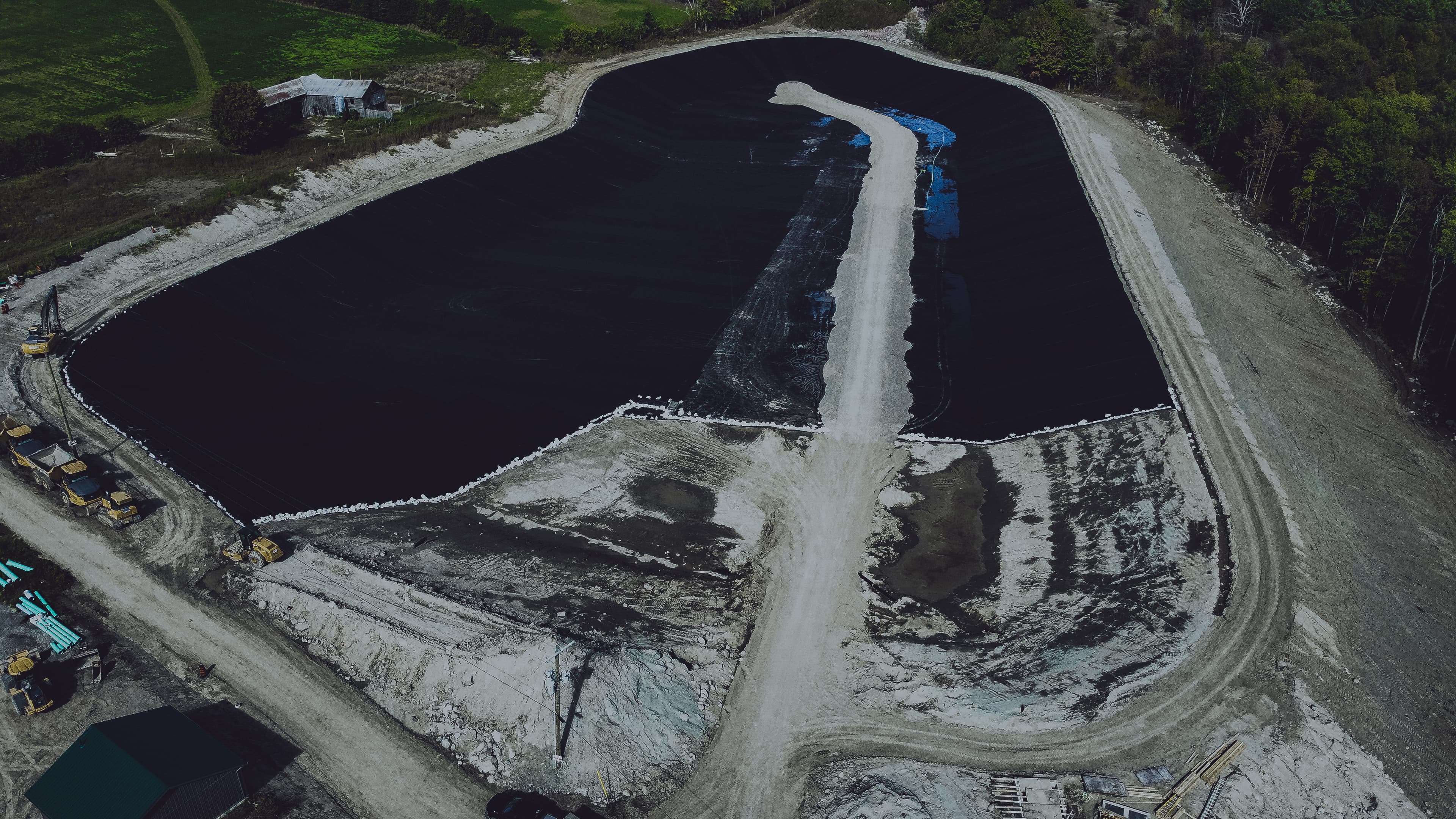
Wastewater treatment
Wastewater treatment removes pollutants, making water safe for environmental discharge.
Explore the case studies
Explore all case studies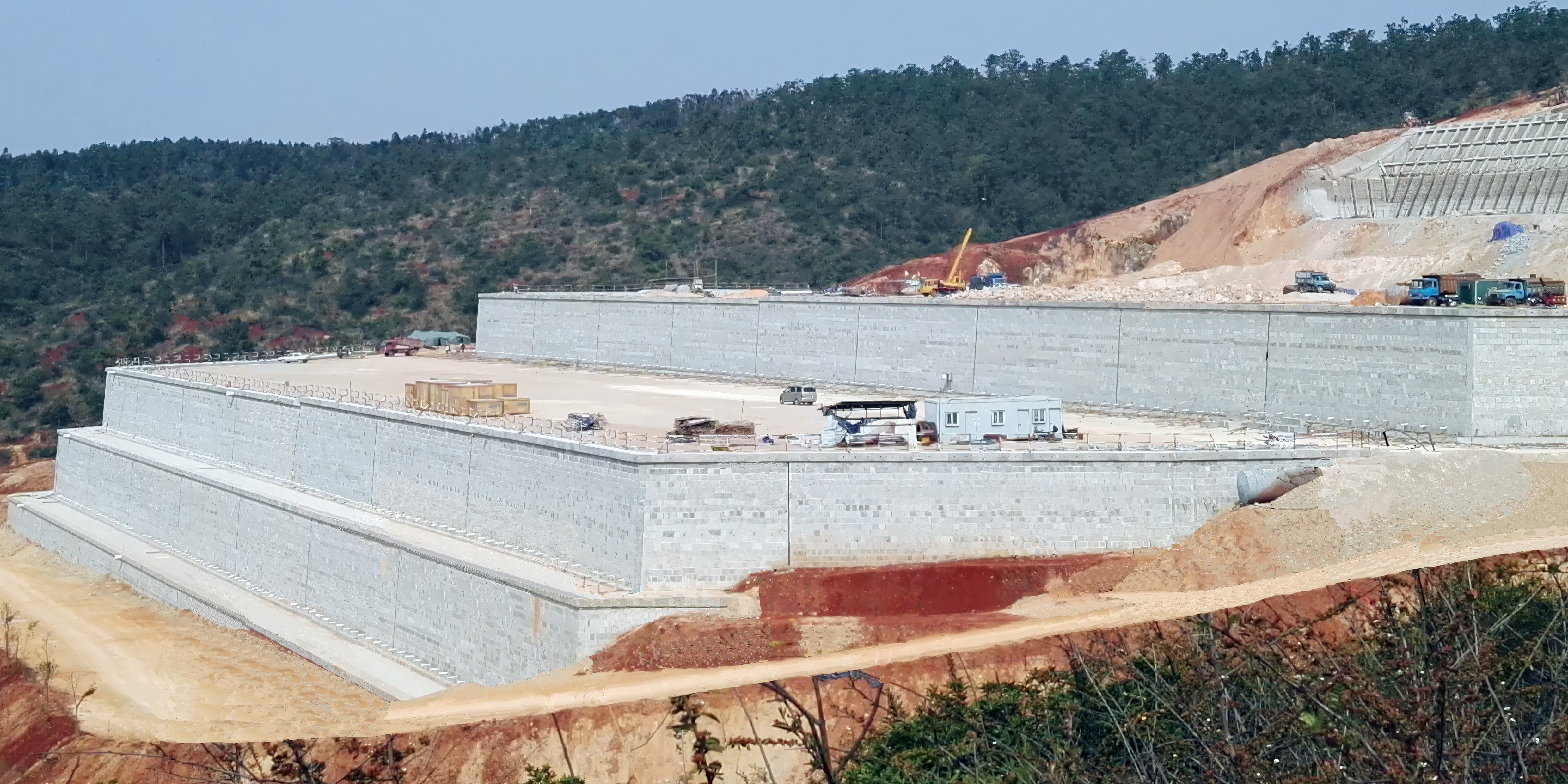
Case studies
MSW incineration and power plant platform, Yuxi City, Yunnan Province, China
A USD 50 million MSW incineration plant in Yuxi City uses reinforced segmental block retaining walls to form platforms in rugged terrain and process up to 1,000 tonnes of waste per day while generating electricity.
Discover more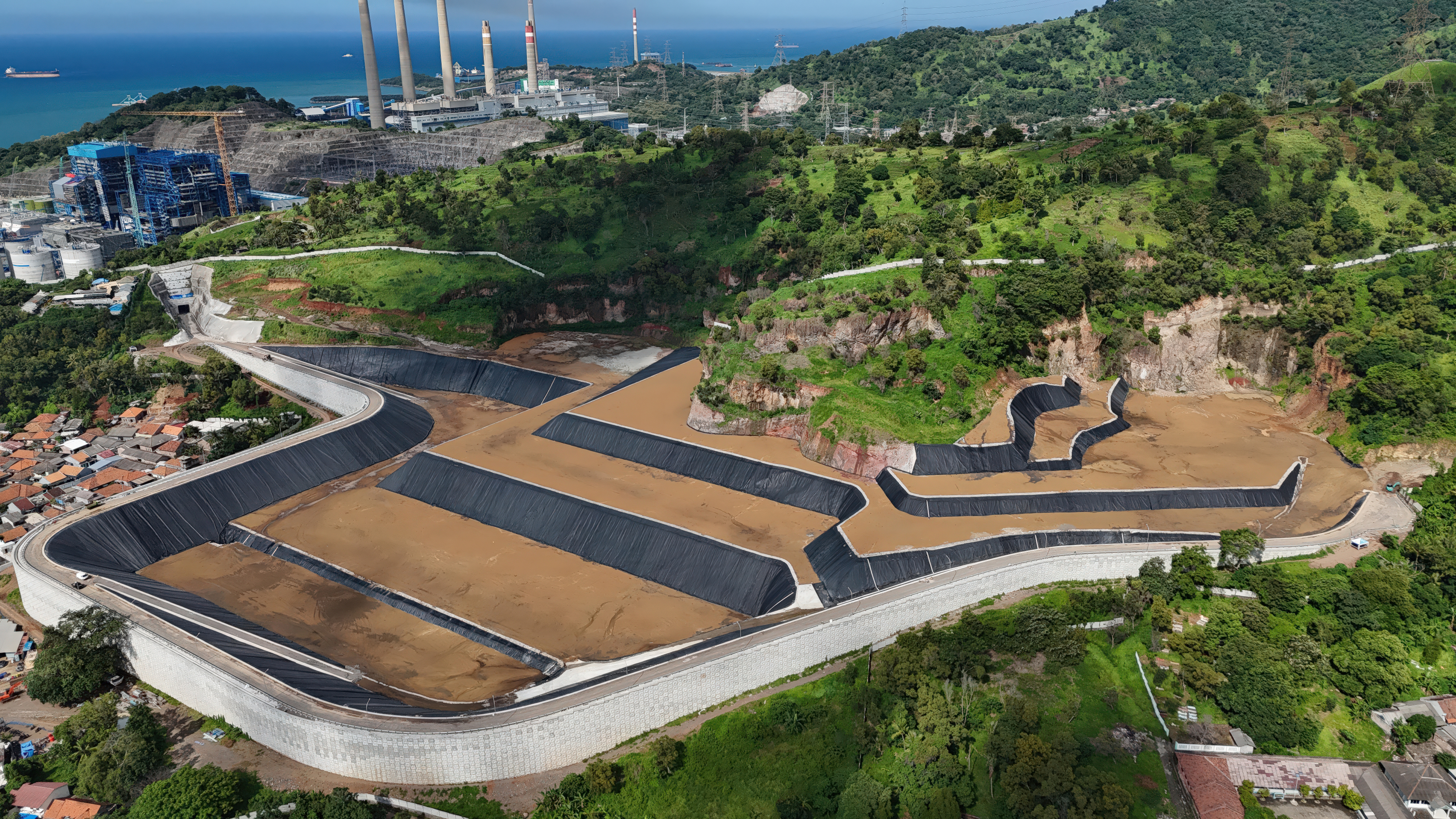
Case studies
Reliable geomembrane containment for coal ash and wastewater
Installed 113,000 m² of 2.0 mm GSE® HD geomembrane at a nationally regulated power plant coal ash handling facility in Indonesia, delivering long-term containment, zero leakage incidents, and full environmental compliance.
Discover more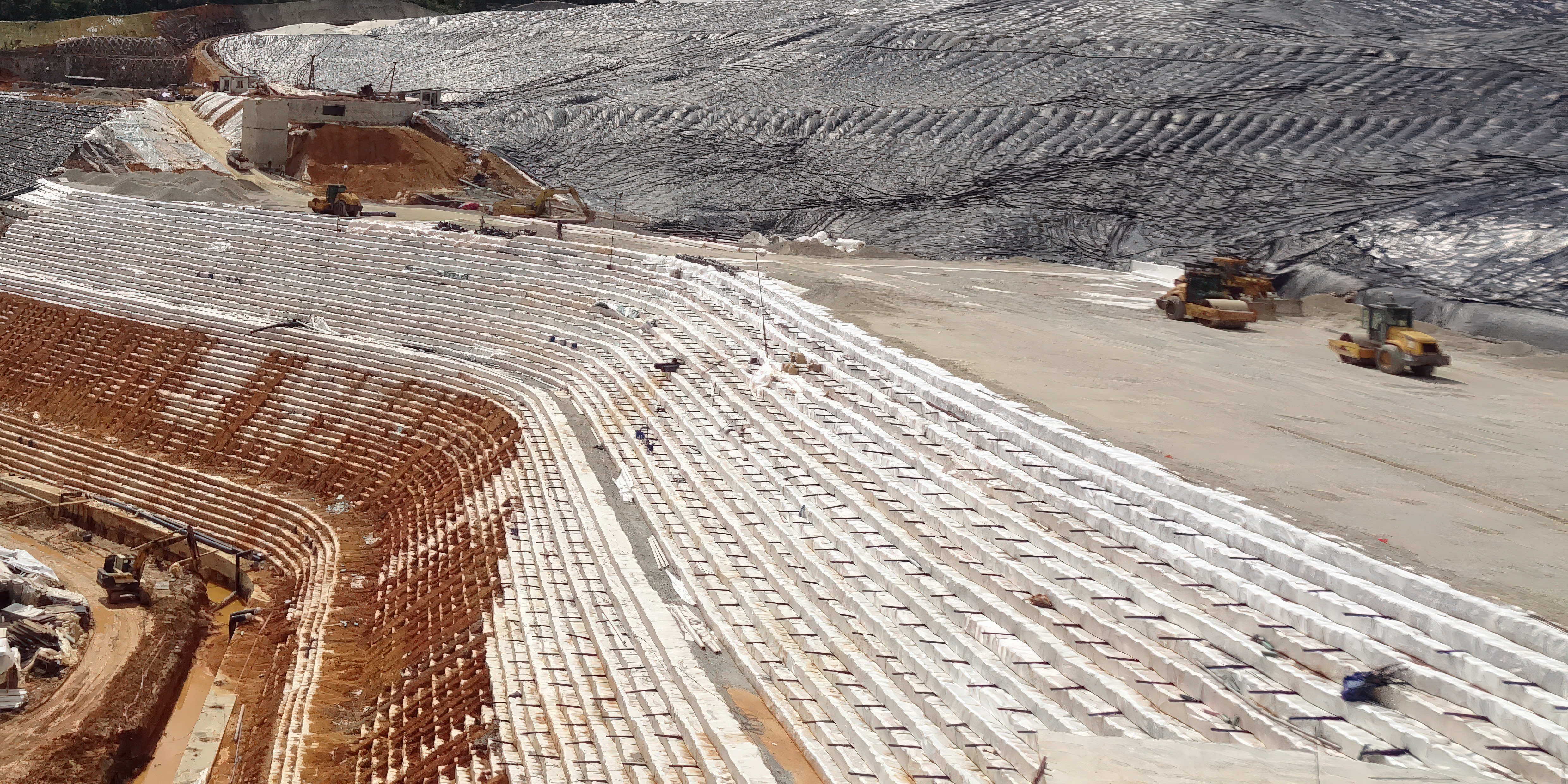
Case studies
Xinfeng MSE landfill expansion, Guangdong Province, China
Xinfeng Landfill in Guangzhou expanded capacity by 7.5 million m3 using a 35 m high MSE containment bund with geotextile reinforcement, steep slopes, and bored pile shear keys to maintain stability and extend landfill life.
Discover more
